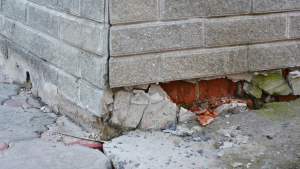
A $1,000,000+ Demand Letter, Months After Closing: What One Seller Faced and How They Were Protected
A Bastrop, TX seller faced a $1M+ lawsuit 7 months after closing over undisclosed foundation issues. See how Home Sale Legal Protection covered it.

It happens on almost every listing: You hand your client the Seller’s Property Disclosure statement, and they point to a line and ask, “Do I need to check ‘Yes’ or ‘No’ here?”
Your instinct as an agent is to provide an immediate answer and keep the deal moving. However, telling a seller how to answer a specific question on a disclosure form is one of the fastest ways to cross the line into the unauthorized practice of law (UPL)—and invite a post-closing lawsuit if a buyer later discovers an issue.
When a seller misrepresents a home’s history because of an agent’s verbal interpretation, courts often hold the agent liable alongside the seller. Here is how you can guide your clients safely while keeping your license, commission, and business protected.
As a licensed real estate agent, you are an expert in marketing, pricing, and negotiation. You are not an attorney.
Guidance
Practicing Law
Explain what the disclosure form is for.
Tell a seller whether to check "Yes," "No," or "Unknown."
Provide a disclosure form with standardized legal definitions or statutory language.
Interpret vague legal phrasing or advise on liability risk for a specific issue.
Direct sellers to past repair receipts, inspectors, or digital platforms.
Decide if a past repair was "adequate" or if a defect is "material."
When an agent interprets a disclosure question, they inherit the seller’s risk. To reduce your risk, you need a process that guides the seller without putting you in the middle.
Instead of risking a UPL violation during a sit-down meeting, the safest approach for listing agents is to leverage Sellers Shield’s Gold Standard Disclosure Process™.
Designed by real estate legal experts, this platform removes the agent from the position of interpreting questions by transferring the guidance directly to an interactive disclosure tool.
Here is how Sellers Shield protects agents and empowers sellers:
When a client pushes you for direct advice on a question, use these boundaries alongside your Sellers Shield link:
Remind sellers that transparency is their best defense against post-closing claims.
Script: “I can’t interpret the form for you legally, but as a rule of thumb, if you’re wondering whether to mention something, it’s almost always safer to disclose it. Hiding an issue leaves you vulnerable to lawsuits later, whereas disclosing it shifts the burden to the buyer to inspect it.”
If a seller asks whether a past leak still counts as a defect, instruct them to stick strictly to documented facts.
Script: “You don’t need to guess if a repair was permanent. Just state the facts in the expandable notes field on Sellers Shield: what happened, when it happened, and who fixed it, then upload your receipts.”
Script: “To make sure you get clear, unbiased guidance, I use Sellers Shield. Their Gold Standard Disclosure platform has built-in definitions and tips written by legal experts so you can complete the form accurately and independently.”
Your goal isn’t to fill out the form for the seller; it’s to provide a secure environment where they complete it fully, honestly, and independently. By sending clients their disclosures through Sellers Shield, you deliver a superior client experience while helping protect your business from post-closing litigation.

A Bastrop, TX seller faced a $1M+ lawsuit 7 months after closing over undisclosed foundation issues. See how Home Sale Legal Protection covered it.

Texas sellers are facing six-figure demand letters over undisclosed pool defects. Learn what “concrete cancer” means for disclosure liability — and how to protect your clients.

Sellers Shield analyzed 192 real estate disclosure claims across 16 categories. Find out which property issues — from plumbing to foundation — lead to the highest costs and longest legal timelines, and what agents, brokers, and sellers can do to protect themselves.

An eXp Realty Texas claim reveals how a simple HVAC breakdown turned into a legal threat. Discover why home warranties don’t protect sellers from liability.

A Clearwater, Florida home seller faced a legal dispute after buyers claimed a foundation warranty wasn’t transferred at closing. What started as a simple oversight quickly became a potential legal issue. Learn how Home Sale Legal Protection helped the seller secure an attorney within 24 hours and defend against a costly post-closing claim.

Selling a home doesn’t end the risk. In January alone, Sellers Shield handled 8 post-closing legal claims involving flooding, plumbing failures, mold, tax disputes, and mechanical issues. These real cases show why Home Sale Legal Protection is essential for protecting sellers and agents from costly legal exposure long after closing.

Water damage is one of the top causes of real estate lawsuits. Learn why agents must ensure sellers disclose leaks, plumbing issues, pools, and more.

A home seller was hit with a $228,000 plumbing dispute after closing, despite believing they disclosed everything honestly. Thanks to Home Sale Legal Protection, their legal fees were covered, an expert attorney was brought in immediately, and they had peace of mind throughout the case.

In just one month, six home sellers faced serious legal threats ranging from undisclosed mold to $1M+ demand letters. Real estate lawsuits are real, rising, and often show up months after closing. Learn how Sellers Shield helped each seller fight back and how agents, brokers, and sellers can protect themselves before it’s too late.
Don’t let this be your story
Disputes like this one show up months after closing — long after the sale feels final. One flat fee covers your legal defense if a buyer comes after you.
Takes about two minutes.
Could this happen to your sale?Up to $75,000 of legal defense — no retainer, no out-of-pocket cost.
Get Protected